 Difficulty
1. Reflect on the Last Year
Living in the past is often deemed a negative trait. However, that doesn’t mean we shouldn’t learn from it and money is not an exception.
Let’s Review Spending First!
Money is not the most important thing but having it in order sure does help to sleep better at night. Determine if you set your personal or family budget well and realistically. Did you roughly spend as much as you wanted on different expense categories? Furthermore, it’s good to check if you managed to save the recommended 10-20% of your income every month, whether to create an emergency fund or for retirement.
Didn’t Have a Budget nor Tracked Your Expenses?
In such a case, the first step would be to start tracking your expenses and create a budget for the following month. Check how much you spent on individual categories (housing, groceries, leisure, transport…). If you’re not saving regularly, try to think if you can manage to spend less on some of those categories.
Don’t worry, that doesn’t mean you should be taking out pen and paper and recording each transaction by hand. Except for cash payments, the perks of the modern age can do all this tedious work for you.
Make Technology Work for You!
Certain banking apps already allow you to track your expenses and create budgets. Finax doesn’t lack behind and that’s why we added the Financial Coach function into our app. It automatically tracks both your income and expenses and allows for the creation of complex budgets, whether for the next month or for a specific event, such as a summer vacation.
Not sure how to create your first budget? Don’t worry, we already covered this topic in more detail in our previous blog post!
2. Figure Out Where You Can Save
You’ve already pinned down exactly where your cash flows and what actually puts a smile on your face. Now, it’s time to bridge the gap. Compare your current expenses against that "joy list" from the previous step.
Make room for what actually matters!
I’m sure your bank statement has a few "squatters" - expenses that don’t really contribute to your overall happiness. They aren’t essential, they don’t spark joy; they’ve just sort of settled in and overstayed their welcome:
- The Fancy Getaway: For some, it might be a pricey seaside resort, even though you’d be just as happy spending time with the family at a simple cabin in the woods.
- The Label Trap: Someone else might be dropping serious cash on designer clothes that don't actually bring any more satisfaction than a unique find from a thrift shop.
This is exactly where the potential for savings is hidden. The best part? You don’t have to deprive yourself of what’s truly important. It’s simply about redirecting funds from things that do nothing for you toward the things that bring you long-term meaning.
3. Don’t Underestimate the Power of Habits!
Habits are like a powerhouse of our everyday lives. A lot of them are done so unconsciously and automatically they go unnoticed. Morning coffee, listening to your favorite songs on your way to work or checking your phone right after waking up – all of these are habits that form and influence the course of our day.
You may’ve heard the saying that if you improve by 1% every day, you will have become a 37-times better version of yourself by the end of the year. This goes to show the power of compounding. Even a seemingly insignificant habit, such as how many sugar cubes you put in your morning tea, can have a considerable impact on your health – positively or negatively.
If You Aren’t Doing So Yet, Turn Investing into a Habit!
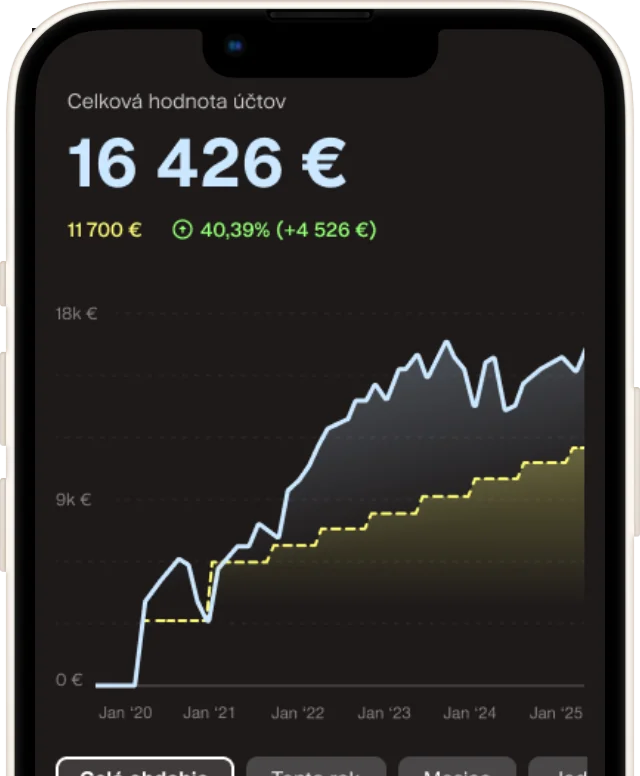
It wouldn’t be a Finax blog post if I weren’t to mention investing at least once, but there is a good reason for that. Investing is the most reliable way of growing your wealth and financially securing both you and your family. It’s not about the numbers in your bank account – large wealth protects you in emergencies and provides you with freedom to do things you enjoy.
The best part is that even small amounts can eventually turn into sizeable wealth. The only catch is that you need to do it over a long period of time, ideally for entire decades. Let’s say you were to invest 75€ a month in a 100% equity portfolio for 30 years (let’s say from 25 to 55). The expected final value of your investment account would be around 100 thousand euros (the expected portfolio development is determined by Finax algorithms that use long-term historical data on stock market development).
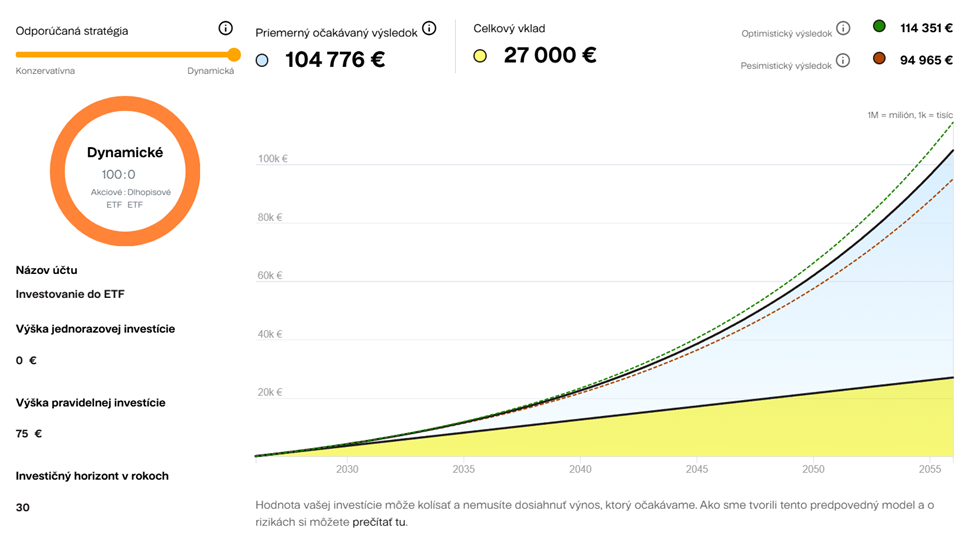
Try turning investing into a lifelong habit. If you’ve created a budget, the next step would be to include investing in it and treat it as yet another expense, even in smaller amounts.
We’ve examined the topic of regular investing in our previous blog post, it’s definitely worth reading!
With Finax, investing is a piece of cake. You can open an account in just 10 minutes and start investing with as little as 10 euros. All while not being bound to regular deposits or any similar conditions.
In case of any questions, feel free to contact us at [email protected] or read our blog.

Create an account and start investing today
Disclaimer: Past results are not a guarantee of future performance, and your investment may result in a loss. Stay informed about the risks you undergo when investing.
4. Say Goodbye to All the Things That Make You Unhappy!
Money is, undeniably, important – it makes life easier, brings new opportunities, and poses a strong tool to achieving everlasting happiness. However, money isn’t everything. Not everything can be bought with money, and if you base your happiness solely around it, you will never be able to get enough – because you can always have more money.
Don’t Forget to Take Care of Your Soul Too!
2026 can truly be your year if you decide to do something for your inner happiness. We often focus only on the things we need to do but forget about those that fulfill us and make us happy. So, pause for a while, take a breath and ask yourself: What makes me happy? What sets me back?
Start by identifying things that hold you back:
- Is your work smothering you? Maybe it’s time for a new job, or perhaps, to finally try executing that business idea that’s been on your mind for some time.
- Do people around you suck out all the energy from you? Learn to set boundaries and surround yourself with those who support you.
- Holding on to material stuff that doesn’t make you happy and just clutters the space? Consider if it wouldn’t be better to invest your money and time in experiences and memories instead.
Ironically, such an approach can help you get your finances in better shape. For example, if you manage to reduce your spending on useless material possessions, investing and saving will become much easier. This approach is called financial minimalism, and we examined it in a past blog post too.
Here is the translation of the remaining sections, keeping the tone supportive, clear, and slightly more conversational.
If you’re surrounded by people who don’t support you or who take more than they give, personal growth becomes an uphill battle, no matter how perfect your habits or your plans are. That’s why it’s vital to curate your inner circle. Surround yourself with the right people: those who stand by your side rather than dragging you down.
Invest in what brings you true joy.
In the coming year, try directing your resources and energy toward experiences and moments that hold genuine value for you. Instead of constantly chasing material things, invest in the things that actually make you happy.
How to step into the New Year successfully?
- Look at how you managed your money last year and set a realistic, sensible budget.
- Make a list of what matters most and aim to spend less time and money on everything else.
- Start cultivating better routines - and that applies to more than just your investment portfolio.
The Year 2026 Is in Your Hands