 Difficulty
Good intention, bad decision
The beginning of the year is a symbol of new beginnings. We make resolutions from which we promise ourselves a better version of ourselves. More movement, travel, a healthier lifestyle, or new knowledge. However, the problem is often not in the intention itself, but in how quickly and impulsively we spend money on it.
We let ourselves be influenced by trends, surroundings, and "bargain" discounts. The paradox is that without hesitation we spend tens, hundreds, or even thousands of euros on things where we don't even know if they will entertain us in the long run.
January – the graveyard of memberships
"This year I will exercise at least three times a week." One of the most common New Year's resolutions, which, let's be honest, few people follow through to the end.
Motivation after the holidays is high, remorse is strong, and the solution seems simple: an annual gym membership, ideally at a generous New Year's discount. But the reality is often different. The average single entry to a gym in Slovakia costs around 10 euros, while annual memberships start at approximately 300 euros.
For such a purchase to pay off, you must go regularly. Otherwise, you pay hundreds of euros for a service that you do not use. Additionally, you forget that:
- you don't know if you will find time for exercise
- you have no idea if the gym will suit you
- no one guarantees that you will enjoy it.
A wiser path? Try a single entry or a monthly membership. And if a habit is formed from them, only then does it make sense to invest more!
Professional equipment, beginner experience
Other resolutions work similarly. You want to start cycling, painting, or creating videos and you immediately reach for expensive equipment. Advertisements convince you that without it, it won't work, as if they should give you some magical power to achieve it.
Neither a bicycle for several thousand euros, a branded jersey, or sports watches for measuring speed and time will make you a to athlete, if you don't yet know if cycling will entertain you. Therefore, do not spend a whole fortune on new high-end equipment; for the start, it is often enough to:
- Rent a bike or gear, e.g., a shared bike that you can rent and return at any time via an app,
- equipment from a second-hand store,
- or a new alternative in an affordable price category.
The difference in experience is minimal, but the difference in price is significant. After a few months or kilometers, you will know if it makes sense to invest more without unnecessary risk.
Courses that gather dust
Another common New Year's resolution in the pursuit of self-development involves courses and educational platforms. Here, too, it is easy to overpay right at the start, whether it's a long-term subscription to a chosen platform, an expensive language school program, or a certification ending with a formal exam (e.g., the CAE language exam or the CFA in finance).
As a plan, it sounds great; however, during implementation, you might find that reality isn't as simple as you imagined. You may lack sufficient time, find commuting to in-person lessons annoying, feel the pace of teaching is too fast or too slow, or realize the course topic isn't actually that essential to your life. In such cases, there is a risk that you will give up or fail the exam.
Education is a great investment, but only if you actually use it. The simple rule applies here as well: "Try first, pay later!" Today, the internet offers plenty of free or low-cost alternatives to master new things. These include:
- YouTube - An endless well of video tutorials across various fields (creativity, education, etc.); whether you are a beginner or advanced, there is something for everyone.
- Khan Academy - An educational platform where you can also test your newly acquired knowledge.
- Affordable or free courses - Platforms like Skillshare, Coursera, Udemy, or even Google itself offer courses, particularly those related to the digital environment.
During the first month, try to build a habit of engaging in this type of learning regularly. Only then should you move on to more expensive solutions or certifications.
If, however, off-line education suits you more, simply reading a book can help you progress, for example in the area of personal finance.
Let money work for you
If you don't go into it with at least a minimum of determination and a realistic plan, maybe the problem isn't in discipline – you just chose a resolution that isn't the "right fit" for you at the moment. The idea that paid money will increase your motivation is often deceptive. Instead of a habit, you risk creating resentment and demotivation. If you don't want to lose money on New Year's resolutions, stick to these 3 simple steps:
- First try it out with minimal costs.
- Verify if you can create a habit.
- Only then invest in more expensive solutions.
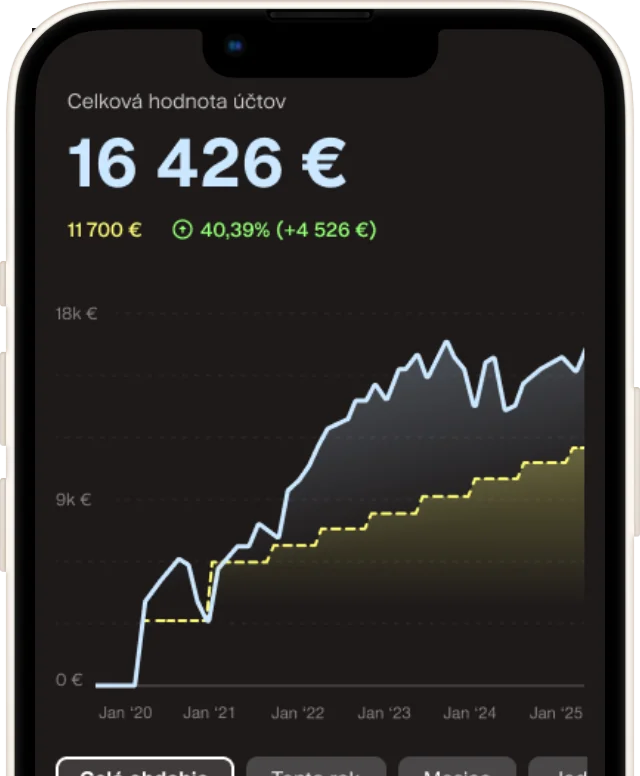
And remember! If you stop enjoying it over time, it's not a failure. You just saved money that you can use better. For example, so that it works for you, not you for it. You can start even with investing very small and gradually make a habit out of it. At Finax, it takes about 10 minutes and a few clicks to open an account, then you set up a regular monthly deposit, even just a few tens of euros. Then just watch as the profits in your account grow (which creates a habit) and relax. If investing becomes your cup of tea, you can increase the amount of your investment at any time. And if you want to find out more about the topic of finance or investing, don't forget to follow the regular content from our Finax workshop.

Create an account and start investing today